Founders
Meet the Founders
Every enduring institution begins with people willing to accept responsibility. Legacy Society exists because two founders share the conviction that what we inherit is worth strengthening—and that future generations deserve institutions worthy of their trust.
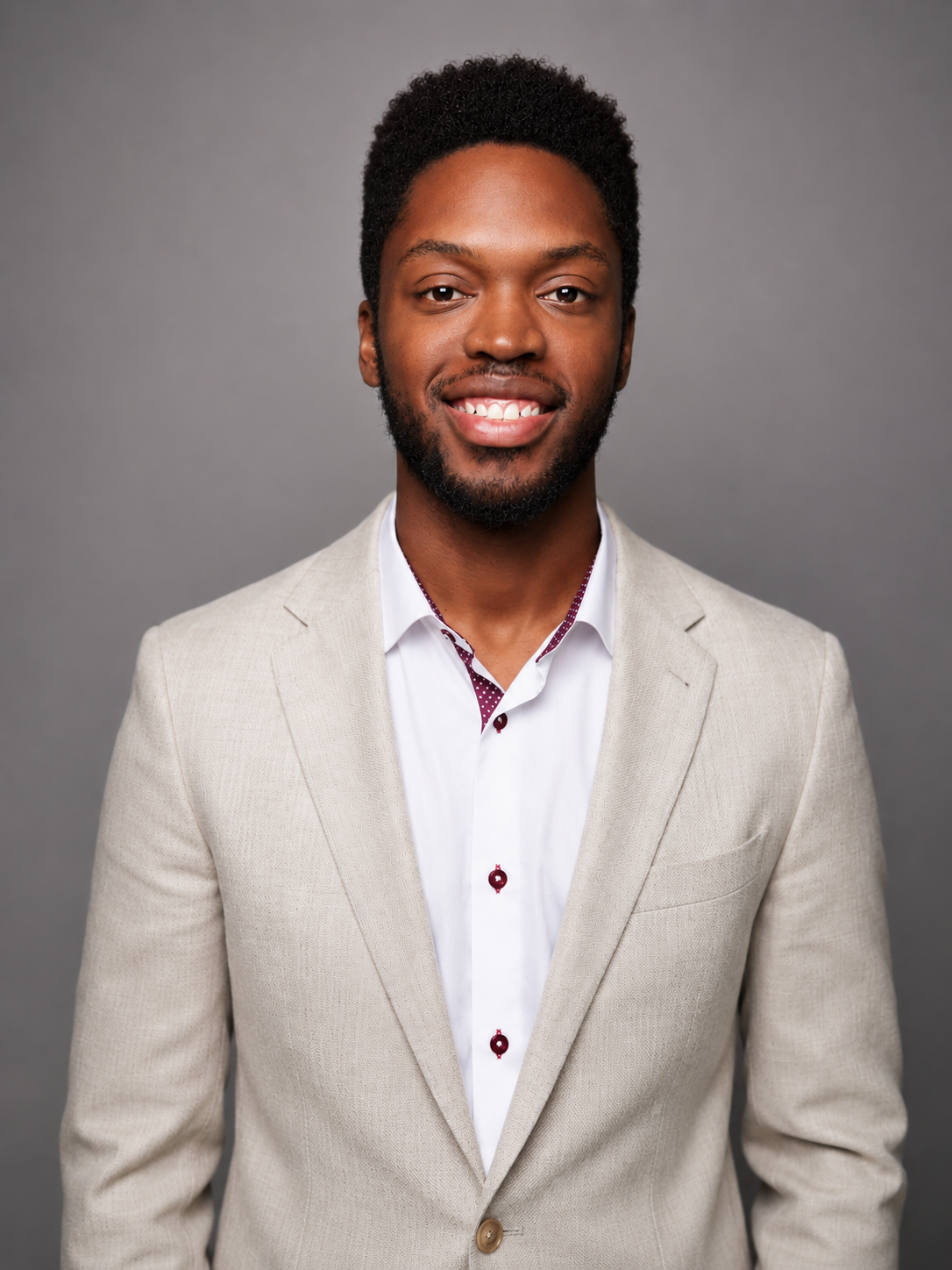
Walter Blanks, Jr.
Co-Founder
Institution Building • Character Formation • Education
Walter Blanks, Jr. has spent his working life close to public institutions—inside the rooms where policy is written, education is argued, and the workings of government press toward decisions that reach into ordinary lives. Working alongside policymakers across the country gave him an unusually close view of how institutions function, and how they fail.
That vantage point led him somewhere he did not expect. He came to believe that politics is downstream of culture, and culture downstream of character. Government can preserve what a people values, but it cannot create the character upon which a free society depends. His attention turned from legislation toward the quieter foundations beneath it: the families, schools, churches, and businesses where character is first formed, long before any statute is written.
His work eventually carried him into rooms where national decisions are made, including the White House—yet nearness to power only deepened the conviction that no government can sustain what families, churches, schools, and communities fail to cultivate. Grounded by his Christian faith and the belief that every generation inherits a responsibility to those who follow, he came to see renewal as something that begins not with changing policy but with forming people. He helped build Legacy Society persuaded that lasting civilizations are raised by those willing to invest in truth, character, and institutions meant to outlive them.
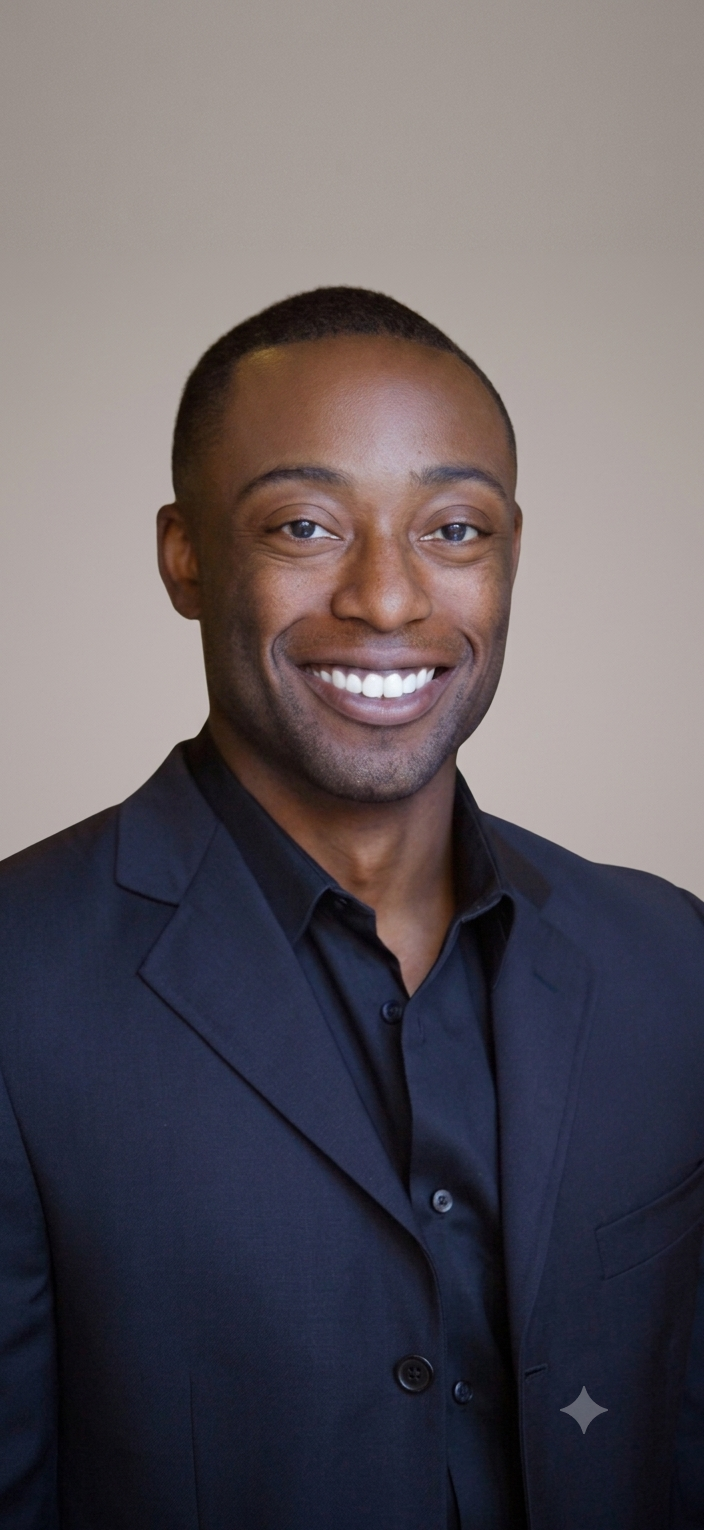
Siaka Massaquoi
Co-Founder
Storytelling • Cultural Renewal • Creative Enterprise
Siaka Massaquoi is a writer, actor, producer, and entrepreneur who has spent more than two decades inside the industry that, more than any other, decides which stories a culture tells about itself. His work in television and film—across productions such as NCIS: Los Angeles, S.W.A.T., and Lethal Weapon—placed him near the machinery of culture, close enough to understand both its craft and its consequences.
Over time his attention widened beyond performance to the question beneath it: what stories are for, and who they form. He came to see storytelling not as entertainment alone but as one of the oldest instruments of civilization—shaping what a people love, remember, and pass on. That conviction drew him steadily toward culture, storytelling, and civic life, and toward a lasting concern for faith, family, and freedom: the quiet foundations on which a free people depends.
He helped found Legacy Society out of a simple belief—that culture is among the most powerful forces shaping future generations, and that strong institutions are not inherited but built, by people willing to invest in truth, character, and responsibilities that outlast them. He brings to the work a maker's instinct and a steward's patience, convinced that what is built well, and for the right reasons, is worth building to last.
Institutions are never built by one person. They begin with people who choose stewardship over recognition, responsibility over convenience, and generations over moments. Legacy Society is one small part of that work.